
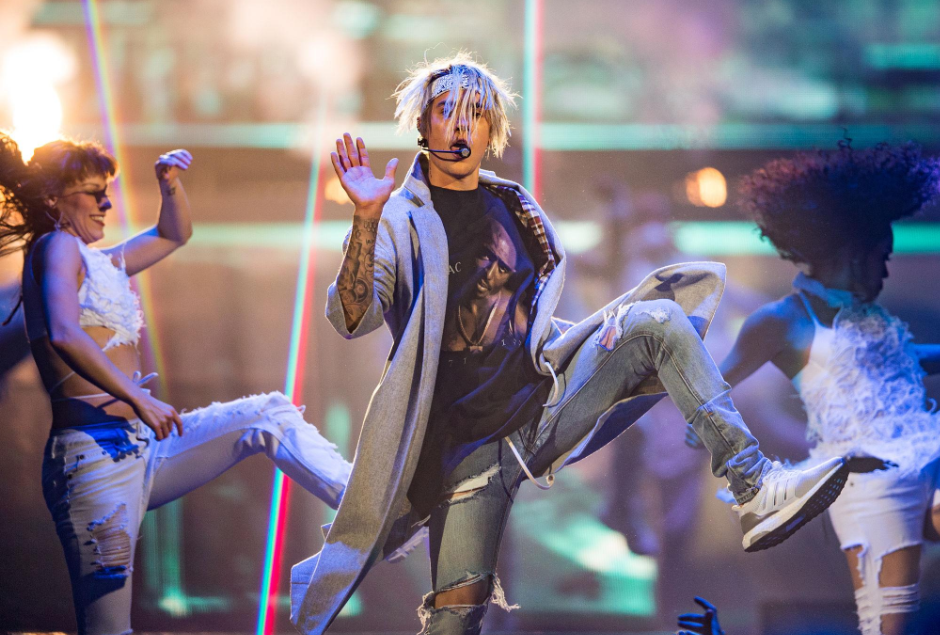
Justin Bieber represents one of the most significant case studies in modern pop culture—an artist whose career spans the full evolution of the digital music era, from early platform-driven discovery to long-term global brand sustainability. His trajectory reflects not only personal artistic development, but also structural changes in how music is produced, distributed, and consumed.
Digital Discovery and the Birth of a New Industry Model
Bieber’s rise began on YouTube, at a time when the platform was still emerging as a legitimate channel for talent discovery. Unlike traditional artist development pipelines—where labels identified, trained, and launched performers—Bieber’s early visibility was organic, built through user-uploaded performance videos.
This distinction is critical. Bieber was not simply discovered online; he became one of the first globally successful artists whose initial audience formation occurred entirely outside traditional industry structures. His eventual signing to Usher’s network and later collaboration with Scooter Braun formalized his career, but the foundation had already been established digitally.
This model would later become standard practice across the music industry, making Bieber a prototype for the “platform-native” artist.
Early Fame and the Construction of a Teen Pop Phenomenon
With the release of My World and My World 2.0, Bieber was positioned as a global teen idol. His early brand relied on:
- accessibility
- relatability
- controlled emotional expression
- direct engagement with fans
Importantly, his audience was not passive. Through social media, fans participated in amplifying his reach, creating a feedback loop between artist and audience that accelerated his growth.
However, this phase also introduced structural risks. Rapid fame, especially at a young age, compresses personal development while expanding public scrutiny. Bieber’s early career illustrates how visibility can outpace emotional and psychological readiness.
Transition, Crisis, and Public Recalibration
As Bieber moved into adulthood, his public image became increasingly unstable. Legal issues, controversial behavior, and media scrutiny shifted his narrative from controlled pop success to unpredictability.
This period is often oversimplified as personal failure, but it also reflects systemic pressures:
- constant visibility
- lack of privacy
- identity formation under public observation
For artists who rise during adolescence, this transition phase is structurally difficult. Bieber’s experience exposed the limitations of the industry’s ability to support long-term personal stability.
Artistic Reinvention and the Purpose Era
The release of Purpose marked a decisive turning point. Musically and stylistically, Bieber moved away from teen pop toward a more mature, minimalist sound influenced by electronic and R&B elements.
This shift was not purely aesthetic—it was strategic. The album repositioned him as:
- an adult artist
- a collaborator within contemporary music networks
- a figure capable of reinvention
Tracks from Purpose demonstrated greater vocal control and emotional nuance, aligning his sound with broader industry trends while maintaining a distinct identity.
Streaming Era Dominance and Collaboration Strategy
As the music industry transitioned toward streaming, Bieber adapted effectively. Rather than relying solely on solo releases, he became a highly active collaborator, working across genres and with diverse artists.
This strategy achieved multiple goals:
- maintaining relevance across different audiences
- integrating into evolving musical trends
- sustaining visibility without overexposure
In the streaming ecosystem, where consistency often outweighs singular impact, this approach has proven particularly effective.
Public Identity, Vulnerability, and Narrative Control
In recent years, Bieber has shifted toward a more controlled and introspective public image. He has spoken openly about mental health, burnout, and the challenges of fame, reframing his narrative from controversy to vulnerability.
This repositioning reflects a broader cultural shift. Audiences increasingly value transparency and authenticity, particularly from public figures who have experienced high levels of scrutiny.
However, this also introduces a new dynamic: vulnerability itself becomes part of the public persona, requiring careful management to avoid becoming performative.
Cultural Impact and Industry Influence
Bieber’s influence extends beyond music. He has shaped:
- the relationship between artists and social media
- the structure of fan engagement
- the integration of digital platforms into artist development
His career demonstrates how the boundaries between artist, brand, and individual have become increasingly blurred.
Importantly, he represents a transitional figure—bridging the gap between traditional pop stardom and the decentralized, platform-driven model that defines the current industry.
Longevity and Future Positioning
Sustaining a career over more than a decade in the modern music industry requires continuous adaptation. Bieber’s ability to evolve—musically, personally, and strategically—has allowed him to remain relevant across multiple industry shifts.
His future trajectory will likely depend on:
- selective releases rather than constant output
- deeper artistic exploration
- continued control over his public narrative
Conclusion
Justin Bieber’s career is not simply a story of fame—it is a reflection of structural transformation within the global music industry. From digital discovery to streaming-era strategy, his trajectory illustrates how artists must navigate not only creative challenges, but also evolving technological and cultural systems.
His significance lies not just in commercial success, but in how his career has helped redefine what it means to be a global pop artist in the digital age.