
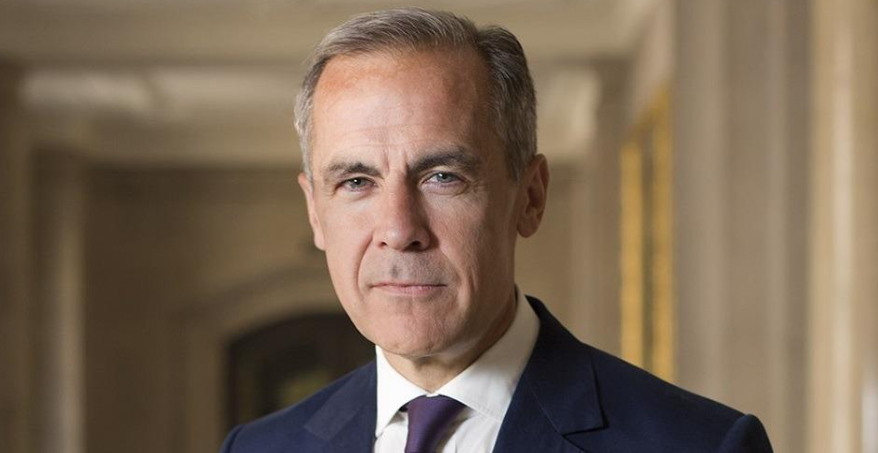
Mark Carney stands as one of the most influential figures in modern economic governance, with a career that bridges national policy, global financial systems, and emerging challenges such as climate risk.
Early Career and Intellectual Formation
Carney’s background combines academic excellence with practical financial experience. His early work in investment banking provided exposure to global markets, while his later transition into public service allowed him to apply this knowledge at a systemic level.
This dual perspective—private sector insight combined with public policy responsibility—has shaped his approach to economic leadership.
Leadership During the Global Financial Crisis
As Governor of the Bank of Canada, Carney played a central role in navigating the 2008 financial crisis. His policies focused on maintaining liquidity and confidence, helping Canada avoid some of the more severe consequences experienced by other economies.
His leadership during this period established his reputation as a decisive and pragmatic policymaker, capable of responding effectively to complex challenges.
Bank of England and Brexit Challenges
Carney’s appointment as Governor of the Bank of England marked a significant milestone, making him the first non-British individual to hold the position. During his tenure, he faced the economic uncertainties associated with Brexit, requiring careful management of monetary policy and market expectations.
His communication strategy during this period was particularly notable. By providing clear guidance and maintaining transparency, he helped stabilize markets during times of uncertainty.
Innovation and Climate Advocacy
One of Carney’s most significant contributions has been his focus on the intersection of finance and climate change. He has argued that climate risk is fundamentally a financial risk, advocating for the integration of sustainability into economic decision-making.
This perspective represents a shift in how financial institutions approach long-term planning, emphasizing resilience and accountability.
Global Role and Influence
Beyond national institutions, Carney has been involved in international organizations, contributing to global economic coordination. His work reflects the increasingly interconnected nature of financial systems, where national decisions have global implications.
Criticism and Debate
While widely respected, Carney’s policies have also been subject to debate. Critics have questioned aspects of central bank intervention and the long-term effects of certain monetary strategies. These debates highlight the complexity of economic policymaking, where decisions often involve trade-offs.
Conclusion
Mark Carney’s career illustrates the evolving role of economic leadership in a globalized world. His influence extends beyond immediate policy outcomes, shaping how institutions think about risk, sustainability, and long-term stability.