
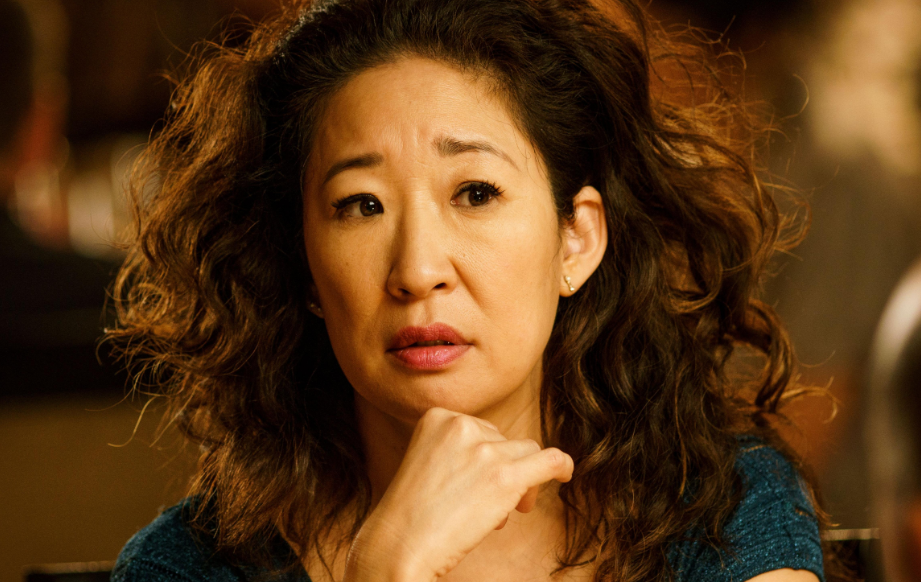
Sandra Oh has built one of the most intellectually compelling acting careers of the past two decades, distinguished not by sheer volume of roles but by the depth, intentionality, and cultural significance of her performances. Her trajectory reflects both personal artistic discipline and broader structural shifts within the global entertainment industry.
Foundations and Early Identity Formation
Oh’s early career choices reveal a consistent preference for complexity over visibility. Rather than pursuing conventional leading roles, she gravitated toward characters that challenged narrative expectations. This inclination positioned her outside mainstream archetypes, but it also allowed her to develop a distinctive artistic voice.
Her performances in independent cinema demonstrated a capacity for emotional layering that would later become her hallmark. Even in early roles, Oh showed an ability to balance internal conflict with outward restraint—a skill that aligns with contemporary screen acting’s emphasis on psychological realism.
Cristina Yang and the Reframing of Television Archetypes
Her portrayal of Cristina Yang in Grey’s Anatomy marked a defining moment not only in her career but in television storytelling. Cristina Yang disrupted traditional representations of female characters by prioritizing ambition, intellect, and professional identity over romantic narrative arcs.
Oh’s performance was notable for its control. She resisted melodrama, instead conveying emotion through subtle vocal shifts, micro-expressions, and timing. This approach allowed Cristina to feel authentic rather than constructed, influencing how future television characters would be written and performed.
Transformation Through Killing Eve
In Killing Eve, Oh expanded her range into darker, more psychologically complex territory. Eve Polastri is a character driven by obsession and moral ambiguity, requiring a balance between empathy and unpredictability.
Oh’s work in Killing Eve demonstrates an advanced understanding of tonal control. She navigates transitions between tension, humor, and introspection with precision, creating a performance that feels both cohesive and dynamic. Importantly, the role allowed her to move beyond supporting or secondary character frameworks into a fully realized leading position on the global stage.
Acting Methodology and Craft
Oh’s process reflects a synthesis of technical rigor and intuitive performance. She is known for engaging deeply with scripts, exploring character motivations at both conscious and subconscious levels. Her performances often appear effortless, but they are grounded in meticulous preparation.
A defining feature of her craft is restraint. In an industry that often rewards overt emotional display, Oh demonstrates that minimalism can be equally powerful. This approach aligns with evolving audience expectations, where authenticity and subtlety are increasingly valued.
Cultural and Industry Impact
Oh’s career cannot be separated from its cultural significance. As an Asian Canadian actor achieving international recognition, she has challenged longstanding industry limitations. Her success has expanded the scope of representation, influencing casting practices and audience perceptions.
However, her impact goes beyond identity politics. She has consistently selected roles that emphasize complexity, ensuring that representation is accompanied by depth rather than tokenism.
Longevity and Future Direction
Sustaining relevance in the entertainment industry requires adaptability, and Oh has demonstrated this through her ability to evolve across genres and formats. Whether in television, film, or voice acting, she continues to seek projects that align with her artistic values.
Conclusion
Sandra Oh’s career represents a convergence of artistic excellence and cultural progress. Through precision, restraint, and intellectual engagement, she has redefined what it means to be a leading actor in contemporary media.