
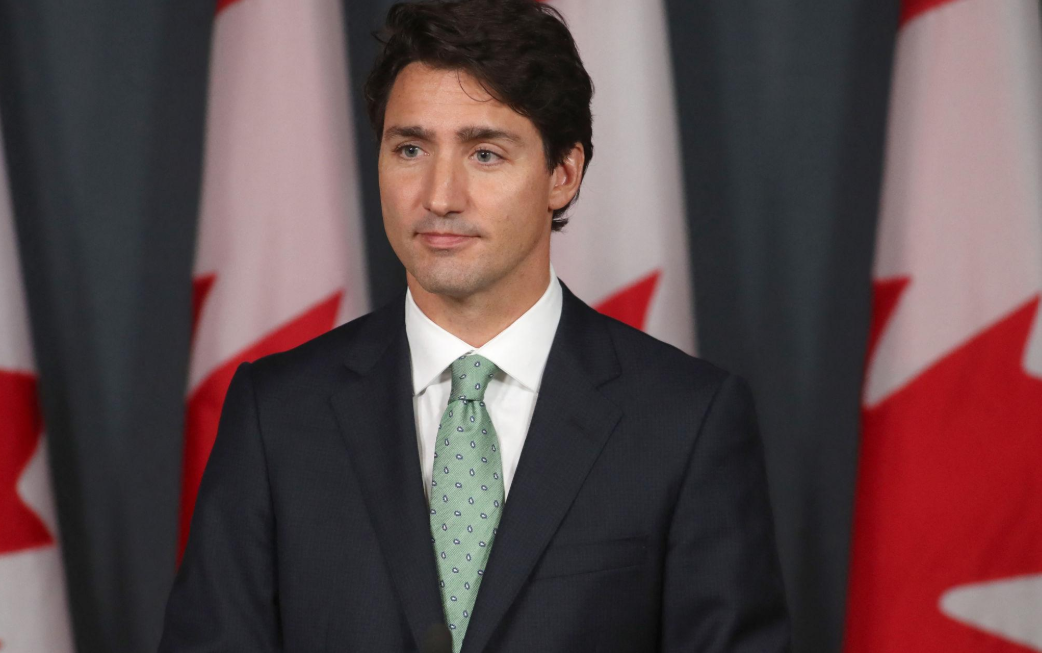
Justin Trudeau represents a form of political leadership that is deeply intertwined with communication, image, and narrative construction. His career reflects how modern politics operates not only through policy decisions, but through the ability to shape public perception.
Political Entry and Identity Formation
While Trudeau’s family background provided visibility, it did not guarantee success. His political identity had to be constructed independently, and he did so by positioning himself as:
- progressive
- accessible
- emotionally intelligent
This branding was not superficial—it aligned with broader shifts in voter expectations, particularly among younger demographics.
Governance: Balancing Ideals and Constraints
In office, Trudeau has pursued policies related to climate change, social equity, and international cooperation. However, governance introduces constraints that campaign narratives often overlook.
This creates tension:
- ideals vs implementation
- messaging vs outcomes
Managing this tension is one of the defining challenges of his leadership.
Communication as Strategy
Trudeau’s strength lies in framing. He does not simply present policies—he embeds them within narratives about identity, values, and national direction. This makes complex issues more accessible, but also increases scrutiny when reality diverges from messaging.
Controversies and Credibility
His tenure has included moments that challenge his carefully constructed image. These controversies highlight a broader truth about modern politics: visibility amplifies both strengths and weaknesses.
The more a leader relies on narrative, the more vulnerable they become when that narrative is questioned.
Global Positioning
Internationally, Trudeau has positioned Canada as a cooperative, values-driven actor. This aligns with multilateral institutions and progressive diplomacy, reinforcing his domestic narrative on a global stage.
Conclusion
Justin Trudeau’s career illustrates the transformation of political leadership in the modern era. Authority is no longer derived solely from policy—it is constructed through narrative, sustained through communication, and constantly tested by public perception.